Flax Fabric Knowledge Training Material
I. Basic Knowledge of Flax
1. Fiber Introduction
The technical length of flax fiber is generally 55 cm.
It has high pectin content and poor spinnability.
The official moisture regain is 12%.
Among natural fibers, like cotton, its wet strength is higher than dry strength.
2. Characteristics of Flax Textiles
2.1 Coolness
- Flax is a good conductor of heat; wearing linen underwear can reduce body surface temperature by 4°C.
- Excellent moisture absorption and desorption.
- Good air permeability.
- Does not stick to the skin easily.
2.2 Cleanliness
- Pectin gradually washes away with laundering.
- Linen textiles are widely used for staff uniforms in top-class hotels abroad.
2.3 Durability
- Tensile strength is 1.6 times that of cotton.
2.4 Crispness
- Linen garments have distinct lines, offering a solemn and elegant appearance.
3. Applications of Flax Textiles
3.2 Linen knitwear
3.3 Craft embroidery base fabric
3.4 Linen canvas
3.5 Linen fire hoses
3.6 Linen decorative fabric
3.7 Other products (hygiene fabric, sewing thread, etc.)
II. Flax Spinning Equipment & Process
1. Classification of Flax Spinning
1.1 Flax Blended Spinning
Short flax → Opening & cleaning → Carding
Drawing (3–4 passages) → Roving → Spinning → Winding → Warehousing
Raw cotton → Opening & cleaning → Carding
1.2 Pure Flax Spinning Equipment & Process
1.2.1
1.2.2 Wet Spinning Process
-
Long flax spinning:
Combed long flax → Humidifying & conditioning → Blending → Manual roving → Grouping → Pre-drawing → 1–4 drawing passages → Long flax roving → Roving bleaching (sodium chlorite, hydrogen peroxide) → Wet spinning → Drying → Yarn sorting → Winding → Warehousing
-
Short flax spinning:
Combed short flax → Blending → Mixing & humidifying → Carding → Gill drawing (3–4 passages) → Combing → Gill drawing → Short flax roving → Roving bleaching → Wet spinning → Drying → Yarn sorting → Winding → Warehousing
1.2.3 Equipment
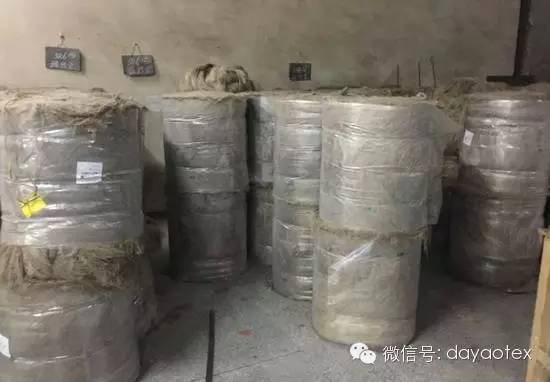
Figure 1: Dressed flax
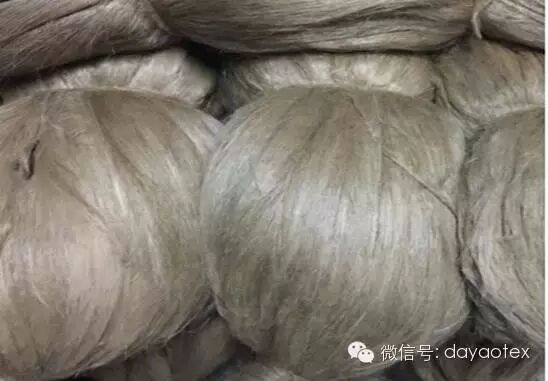
Figure 2: Long flax
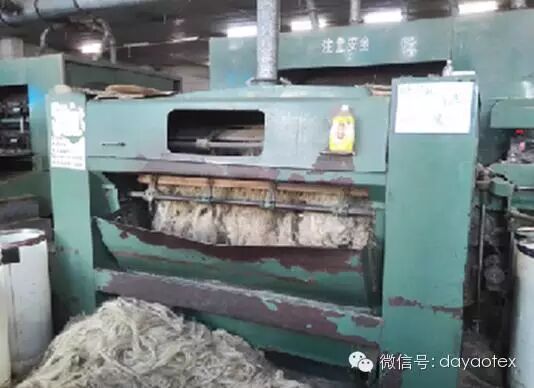
Figure 3: Hackled short flax
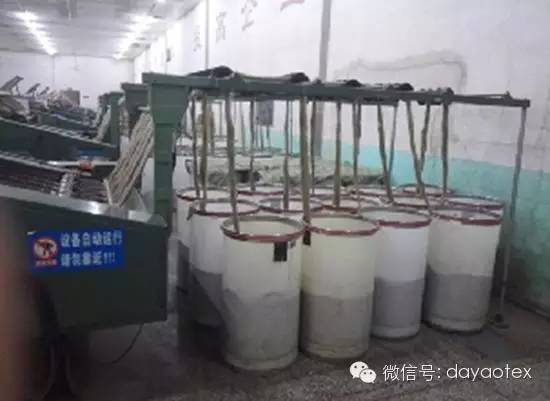
Figure 4: Drawing
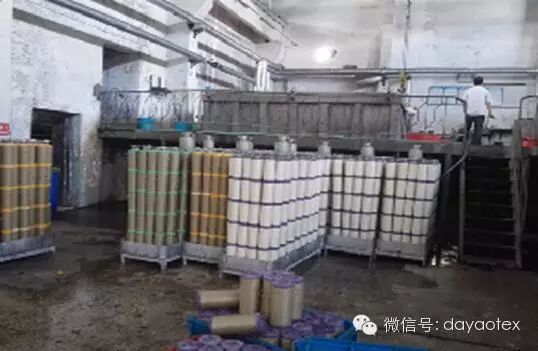
Figure 5: Roving scouring & bleaching
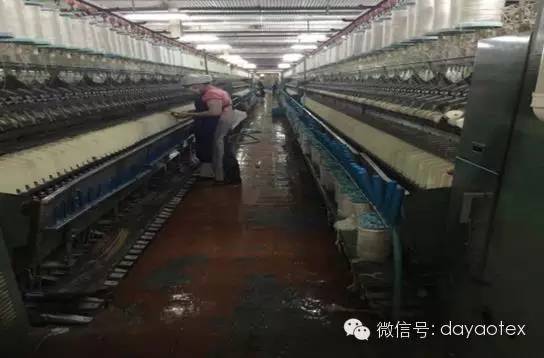
Figure 6: Wet spinning
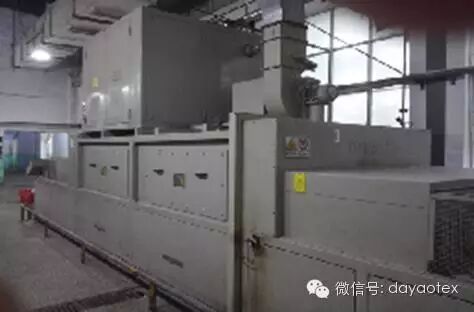
Figure 7: Yarn drying
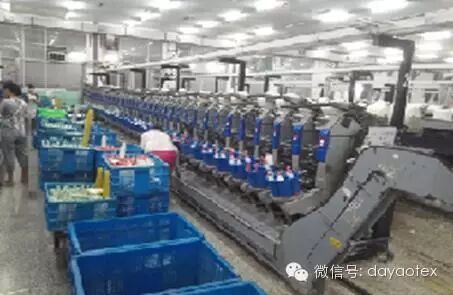
Figure 8: Winding
III. Flax Weaving Equipment & Process
3.2 Weaving process: Winding → Warping → Sizing → Denting.
3.3 Equipment:
Pure linen fabrics are woven on rapier looms and shuttle looms (yarn count: 4.5s–21s).
3.4 Interwoven fabric:
Usually, warp yarn is pure cotton or other yarn; weft yarn is flax yarn.
3.5 Blended fabric:
Can be woven on air-jet looms (yarn count above 21s, linen content below 30%).
3.6 Sizing for pure linen:
Low-count, low-density fabrics do not require sizing.
IV. Main Defects of Flax Fabrics
- Horizontal bars
- Reed marks
- Poor mending
- Floats
- Holes
- Broken selvedge
- Weft shrinkage
- Warp breakage
- Weft breakage
- Oil stains
V. Other Technical Specifications of Flax Fabric
Elongation of Dyed Fabric
- High elongation: 11%–12%
- Low elongation: 3%–5%
Post time: Mar-03-2026