Fabric Material Identification Methods
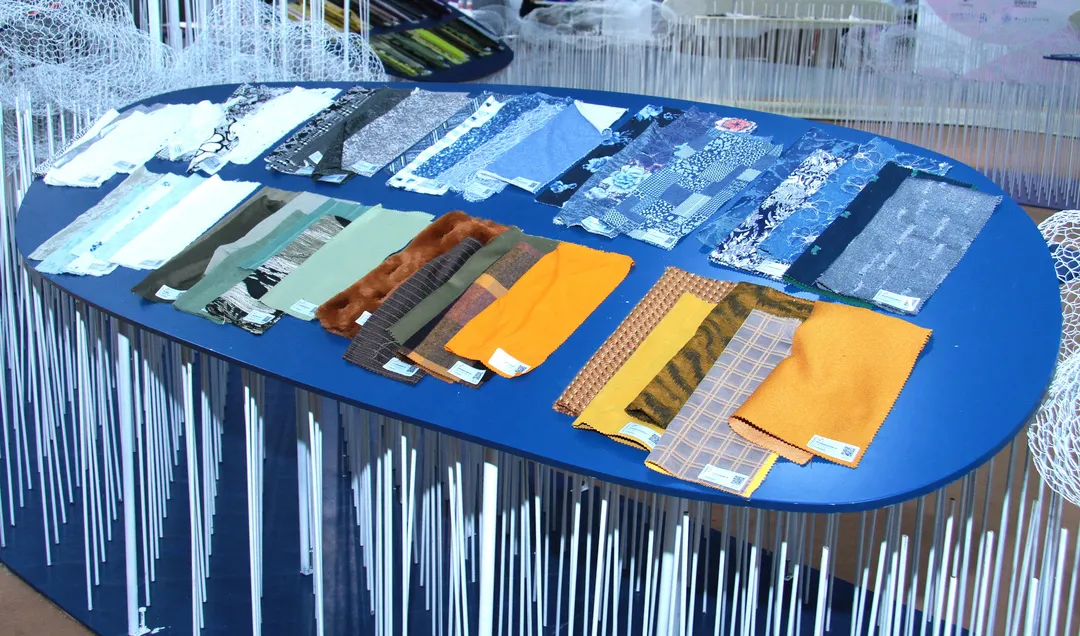
Distinction Between Warp and Weft Directions of Fabric
The sized yarn direction is warp, and the unsized one is weft.
Generally, the direction with higher fabric density is warp, and the lower density is weft.
For fabrics with obvious reed marks, the direction of reed marks is warp.
For spun yarn fabrics, the folded yarn direction is usually warp, and the single yarn direction is weft.
If the twist direction of single-yarn fabric varies, Z-twist is warp and S-twist is weft.
When the yarn count, twist direction and twist level of warp and weft are similar, the direction with more even yarn appearance and better luster is warp.
When the twist level differs, the direction with higher twist is mostly warp, and lower twist is weft.
For towel fabrics, the yarn direction forming loops is warp, and the non-loop direction is weft.
For striped fabrics, the stripe direction is usually warp.
If one yarn system of the fabric has multiple different counts, this direction is warp.
For leno fabrics, the twisted yarn direction is warp, and the non-twisted direction is weft.
- Cotton & wool / cotton & linen: cotton is warp;
- Wool & silk: silk is warp;
- Wool, silk & cotton: silk and cotton are warp;
- Natural silk & spun silk: natural silk is warp;
- Natural silk & chemical fiber: natural silk is warp.

Distinction Between the Right and Wrong Sides of Fabric
For striped, checked and patterned fabrics, the right side has distinct and pleasing patterns.
For raised or structured fabrics, the right side is compact and fine with prominent stripes or patterns, while the wrong side is coarser with longer float yarns.
- Single-side napped: the napped side is right side;
- Double-side napped: the side with smoother, neater nap is right side.
For double or multi-layer fabrics, if warp and weft densities differ, the right side usually has higher density or better raw materials.
For towel fabrics: the side with higher loop density is right side.
For printed fabrics: the side with clear patterns and brighter colors is right side.
Post time: Mar-17-2026