Neps constitute a critical index for evaluating yarn quality. The technical grading standards for cotton yarns specify not only the total count of neps and impurities per gram of yarn but also the number of neps individually. The nep content exerts a dual impact: it impairs the visual appearance of yarns and fabrics, and also compromises yarn structure, evenness and increases end breakage rate during spinning.
Root Causes of Nep Formation
A nep refers to a tiny rounded lump or granular fibre tangle formed by single or multiple cotton fibres arranged in a disorderly, interwoven state. Neps develop when cotton fibres, immature cotton or dead cotton are improperly handled during ginning or spinning processes. The fundamental mechanism behind nep generation is the rubbing and twisting action between fibres. Based on their origins, neps fall into two major categories: neps originating from raw cotton materials and neps generated during manufacturing processes.
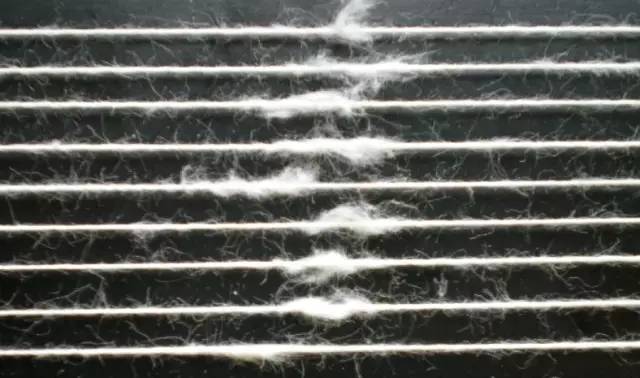
1. Neps Derived from Raw Cotton Materials
Raw cotton-born neps include those triggered by foreign matter and inherent defects: neps formed by fibres adhering to cottonseed hulls, neps bonded by cotton wax, and neps produced during cotton harvesting. Nep count serves as a grading criterion for raw cotton. Low-grade raw cotton contains high levels of impurities and defects, alongside fine, under-mature fibres, which inevitably yield more neps in subsequent production. For this reason, the nep and impurity counts of yarns spun from different raw cotton batches are not comparable and cannot be used to judge spinning machine performance.
2. Neps Generated During Manufacturing Processes
Process-induced neps stem from two stages: preliminary cotton ginning and downstream spinning production. Ginning-derived neps are primarily produced by saw-type ginning machines. Spinning-generated neps cover four sub-types: neps formed during fibre opening and carding, neps caused by friction, adhesion, tangling, clogging and fibre wrapping along conveying passages, and neps developed from hooked fibres under drafting.
Neps Formed During Fibre Opening and Carding
Two core opening and carding methods are adopted in production: free loosening and clamped loosening. When fibres undergo opening and carding, they sustain continuous axial and radial stress leading to strain. Some fibres suffer fatigue, with reduced tensile strength and flexural rigidity, bending and intertwining to form neps. Free loosening delivers gentle treatment, causing minor fibre deformation and fewer neps; clamped loosening subjects fibres to intense force, resulting in severe deformation and abundant neps.
The beater of pickers and the taker-in of carding machines perform clamped opening and carding on fibres, acting as the primary sections causing fibre deformation and nep generation, mostly large, loose neps. Combers grip and card the two ends of cotton tufts alternately: while a small number of new neps are created, a large proportion of existing neps are removed via waste cotton discharge.
During fibre separating and condensing between the cylinder and flat tops (movable and fixed) as well as the doffer, strong centrifugal force acts on fibres on the cylinder clothing. When the cylinder-doffer gauge is excessive, fibres easily disengage from the clothing and become uncontrolled floating fibres trapped between adjacent wire teeth. Significant speed differentials between opposing clothing surfaces subject floating fibres to heavy rubbing, tangling them into neps; the quantity of floating fibres directly determines the volume of rubbing-induced neps.
Neps Caused by Adhesion, Tangling, Clogging and Fibre Wrapping
Abnormal conditions including fibre adhesion, tangling, clogging and wrapping trigger violent friction, leading to inter-fibre twisting and rubbing that forms neps, detailed as follows:
- Dull or hooked wire teeth on cylinder, flat and doffer clothing hinder smooth fibre transfer. Some fibres float between teeth and get twisted by surrounding fibres on both tooth surfaces, forming neps.
- An excessively large taker-in-cylinder gauge and rough tooth surfaces result in inefficient fibre stripping between taker-in and cylinder. Flyback cotton from the taker-in carries fibres back to the feed plate, which rub against the cotton web and drastically raise nep counts.
- Damaged, rough, oily or rusted teeth on cylinder clothing, paired with an oversize cylinder-doffer gauge and low fibre transfer rate, cause cotton wrapping on the cylinder and a sharp rise in neps.
Neps Caused by Frictional Resistance in Fibre Conveying Passages
Fibres tumble and rub against the inner walls of cotton picking and conveying ducts, generating twisting action that creates neps. Accordingly, all fibre passages must be polished smooth, and negative pressure inside cotton conveying pipes should be enhanced to ensure unobstructed cotton flow free of blockages.
Neps Developed from Hooked Fibres During Drafting
During drafting, fibres with poor separation, parallelism and straightness within the sliver tend to intertwine and pull into neps. Hooked fibres represent the dominant contributor to rising nep counts in drafting. During drafting, the hooked segments of fibres are clamped by doffer wire teeth, while the straight segments extend outside the teeth. Airflow generated by the rotating doffer bends these exposed straight segments, producing more hooked fibres and consequently more neps in drafted slivers.
Other Sources of Neps
Cotton lumps, roped fibres, fibre-bearing impurities, short fibres and harmful defects retained from the opening and picking process readily convert into neps during carding. Floating fly settling onto cotton slivers also forms neps. Mechanical equipment defects are another factor: worn or improperly assembled aprons, eccentric spindles and worn travellers all facilitate nep formation.
Nep count ranks among the most vital indicators determining yarn grade. To reduce neps effectively, manufacturers must first fully understand nep formation mechanisms rather than blindly implementing random technical solutions. Spinning mills should select the most efficient, direct and cost-effective improvement measures tailored to their actual production conditions to achieve tangible nep reduction results.
Post time: Jun-16-2026