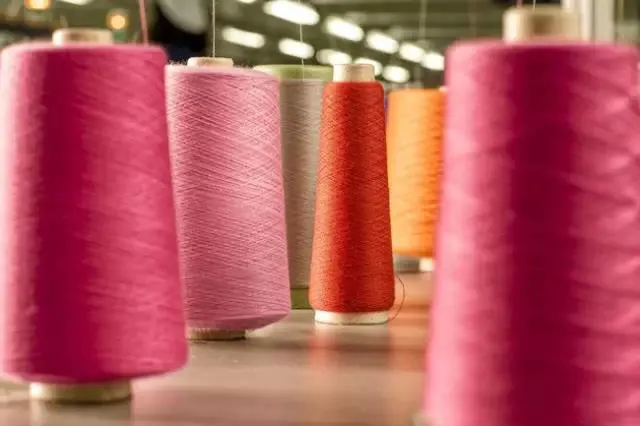
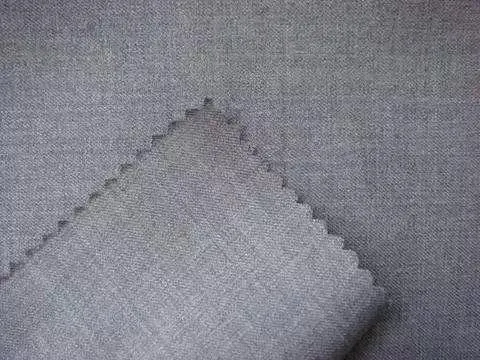
In garment fabrics, we often come across the term woolen fabric, which is widely used in the production of various clothing items. However, many people still have little knowledge about what woolen fabric actually is. Below is a brief introduction to woolen fabric to help you gain a basic understanding of it.
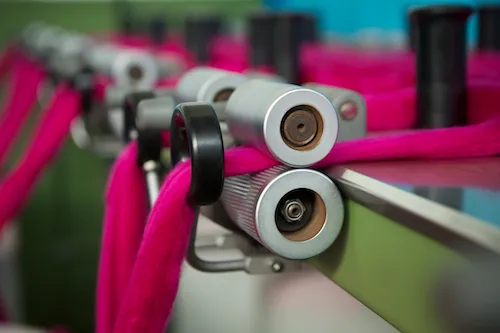
What Are Woolen and Worsted Fabrics?
In simple terms, woolen cashmere and worsted cashmere refer to two types of yarns with different thicknesses in appearance, produced by different technological processes during the spinning of raw cashmere fibers into yarn.
There is a process called combing in the spinning procedure. Yarn produced with this process is known as combed yarn, while yarn produced without it is called carded yarn or woolen yarn. Combed yarn outperforms carded yarn in all aspects such as strength and evenness.
What Are the Differences in Weaving Effects Between Woolen and Worsted Fabrics?
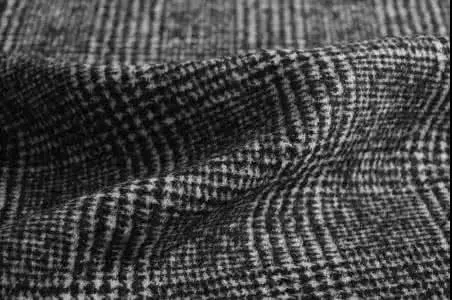
Woolen fabrics feature a full, dense, and thick surface with fine fluff, and the weave texture is generally not visible. They have a warm, plump, and elastic hand feel, and are mostly woven from coarse-count single yarns.
Worsted fabrics have a smooth, neat surface with a fine, distinct weave texture. They boast a soft, natural luster and pure color, along with a soft and elastic hand feel. When you pinch and release the fabric, the creases are not obvious and can quickly recover. Most of the yarns used are double-ply.
An Analysis of Worsted, Semi-worsted, and Woolen Fabrics
The biggest difference between semi-worsted technology and the traditional worsted and woolen spinning processes lies in its integration of cotton spinning and wool spinning technologies, forming a new type of multi-component blending process. Its pre-spinning process adopts woolen mixing equipment combined with cotton spinning equipment including carding machines, drawing frames, roving frames, and ring spinning frames; the post-spinning process uses worsted equipment such as winding machines, doubling machines, and two-for-one twisters. The improvement in equipment and processes solves problems that could not be addressed by traditional wool spinning equipment.
Semi-worsted technology enables the successful blending of natural raw materials such as cotton, wool, silk, and linen with other new man-made fibers and chemical fibers. The raw materials for wool semi-worsted spinning cover a wide range, including natural fibers like cashmere, wool, silk noil, rabbit hair, cotton, and ramie; man-made fibers such as soybean protein fiber, milk protein fiber, Tencel, Modal, bamboo fiber, and viscose fiber; as well as chemical fibers like acrylic, polyester, and nylon. This results in an extremely rich product structure.
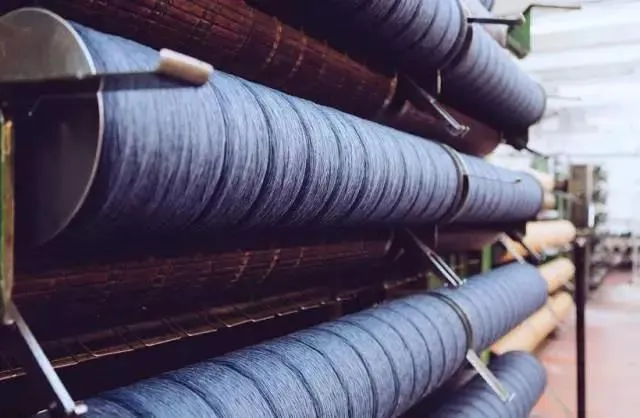
Woolen spinning is a type of wool spinning method. The cashmere yarn produced is relatively coarse in count, low in price, and poor in quality, being prone to pilling and deformation. The count of semi-worsted yarn is roughly around 28/2. Compared with woolen yarn, it is higher in price and better in quality. Worsted cashmere yarn is of the highest quality, with a count of 2/48 or above. Products made from it are soft, delicate, very comfortable to wear, and excellent in warmth retention. However, this type of yarn is very expensive, commonly known as ”the soft gold among wool yarns”, with a price of more than 1,800 yuan per kilogram.
Two types of high-count cashmere yarn production lines have emerged in China: semi-worsted spinning and full worsted spinning. Semi-worsted spinning can produce yarns with a count below 16.67tex without combing to remove short fibers, which can meet the needs of general lightweight fabrics, with a higher yarn yield and relatively lower cost. Full worsted spinning requires combing to remove short fibers, and can produce yarns with a count of up to 10tex, but with higher costs. Moreover, due to the issue of yarn strength, it often needs to be blended with other fibers, making it suitable for special lightweight fabrics. Therefore, the development and production of semi-worsted cashmere yarn have attracted increasing attention from the domestic and international cashmere yarn markets following woolen cashmere yarn.
Differences Between Woolen Wool Fabric and Worsted Wool Fabric
Identification of Woolen Wool Fabric
-
Sensory Identification
All pure wool products generally have a full and smooth fleece surface, uniform color with a slight luster, a warm hand feel, no creases after being folded and pressed, and a soft texture with strong resilience.
-
Burning Identification
When a single yarn is pulled out and burned, it emits smoke slowly, gives off an odor similar to burning hair, and leaves behind brittle black lumps of ash.
-
Product Code Identification
Every piece of sold wool fabric is attached with a label with a five-digit product code. If the first digit is 0, it indicates a pure wool product; if the first digit is 1, it is a blended product. For example:
- 01001 – Pure Wool Melton
- 11001 – Blended Melton
- 71001 – 100% Chemical Fiber Melton
Identification of Worsted Wool Fabric
Worsted wool fabric is a high-grade garment fabric made primarily from pure wool, or blended with a certain proportion of wool-type chemical fibers or other natural fibers. It is processed through combing equipment and technologies, including multiple rounds of carding, doubling, drafting, spinning, weaving, dyeing, and finishing. It possesses the excellent elasticity, softness, unique felting property, and wrinkle resistance inherent to animal hair. Additionally, it retains warmth when absorbing moisture or sweat.
Key Differences Between Woolen and Worsted Wool Fabrics
| Worsted Wool Fabric |
Woolen Wool Fabric |
| Smooth, neat surface with fine, distinct weave texture |
Full, dense, thick surface with fine fluff; weave texture not visible |
| Soft, natural luster and pure color |
Warm, plump hand feel |
| Soft and elastic; creases recover quickly |
Elastic hand feel |
| Mostly woven from double-ply yarns |
Mostly woven from coarse-count single yarns |
Post time: Oct-14-2025