-

Against the backdrop of the fast fashion wave, the textile industry generates massive amounts of waste materials and carbon emissions every year. In 2024, approximately 1.2 billion tons of textile waste were produced globally, 80% of which was landfilled or incinerated, with less than 1% being re...Read more »
-

Antistatic Fibers Antistatic fibers are a category of chemical fibers that do not easily accumulate static charges. Under standard conditions, antistatic fibers are required to have a volume resistivity of less than 10¹⁰Ω·cm or a static charge dissipation half-life of less than 60 secon...Read more »
-

When purchasing raw yarn, the yarn is finer than specified. For example, the actual measured count of a supposed 40-count yarn is 41-count. Insufficient moisture regain. After the printing and dyeing process of fabrics, a large amount of moisture is lost during drying, while the fabric specifica...Read more »
-
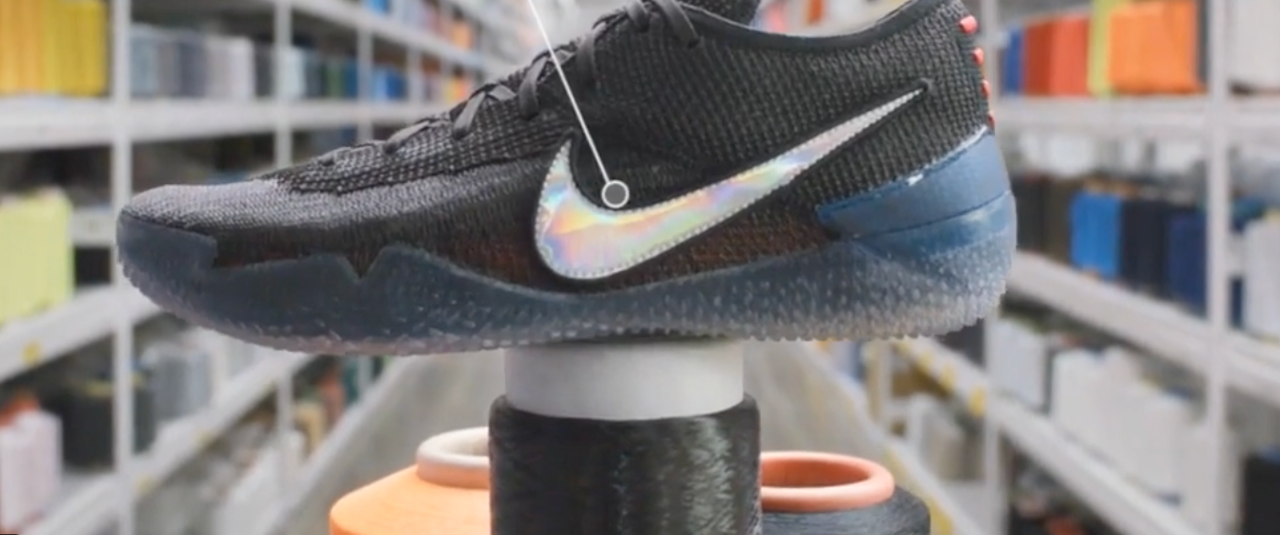
Recently, American sportswear giant Nike has asked the ITC to block imports of German sportswear giant Adidas’s Primeknit shoes , claiming that they copied Nike’s patent invention in knitted fabric, which can reduce waste without losing any performance. The Washington International Trade Co...Read more »
-
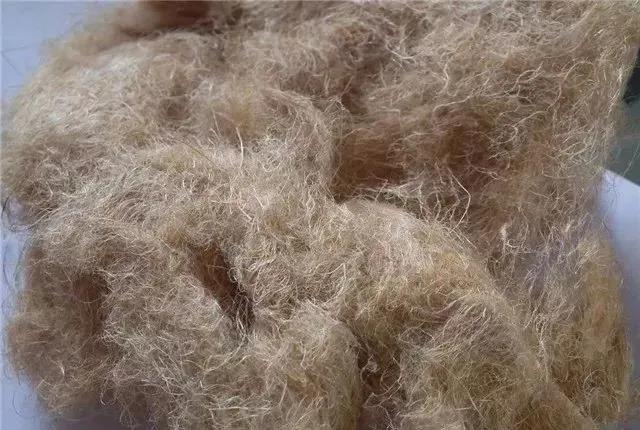
In recent years, people is paying more and more attention to health and environmental protection, and plant fiber has become more popular.Banana fiber has also been renewed attention by the textile industry. Banana is one of the most favorite fruits of people, known as “happy fruit” a...Read more »
-

1. The strength and elasticity of fibers with poor raw cotton maturity are worse than mature fibers. It is easy to break and produce cotton knot in production due to the processing of rolling flowers and clearing cotton. A textile research institute divided the proportion of different mature fibe...Read more »